 繁體中文← 返回選擇頁繁體中文← 返回選擇頁
第6章 · 第6課 — 形容詞
有了形容詞,你終於能用日語表達看法——好吃、大、便宜、有趣。第一族以い結尾,並改變自己的詞尾(語法上不需要です,不過為了禮貌我們會加上)。
去掉い,再接上詞尾。句末加です就會更禮貌:高いです、高くないです。放在名詞前時直接相連:高い ほん(一本昂貴的書)。
第二族
它們的行為像名詞:不改變自己的詞尾,而是借用です(就像名詞一樣);放在名詞前時,則悄悄插入一個な。
放在名詞前時,加上な:きれいな はな(漂亮的花)、しずかな まち(安靜的小鎮)。な形容詞的名字就來自這個な。
漢字故事卡 · 第9、10 & 11號
Kō — the High Tower
high · tall · expensive
A tall pavilion stacked storey on storey — the highest roof in the old town. From “high” it’s a short step to “high price”: 高い means both tall and expensive.
An — Woman Under a Roof
cheap · calm · at ease
A 女 (woman) seated safely under a roof — the very picture of peace and ease. From “at ease” comes “easy on the wallet,” so 安い means cheap.
Shin — the Fresh-Cut Tree
new · fresh
On the right, an axe (斤); on the left, a 木 (tree). Fresh-cut timber, still bright and fragrant — the essence of new.
對話 · 找住處
現實中的形容詞——大家一起看公寓。而Tsuki一腳踩進了きれい的陷阱。
真實日本 · 萬物中的四季
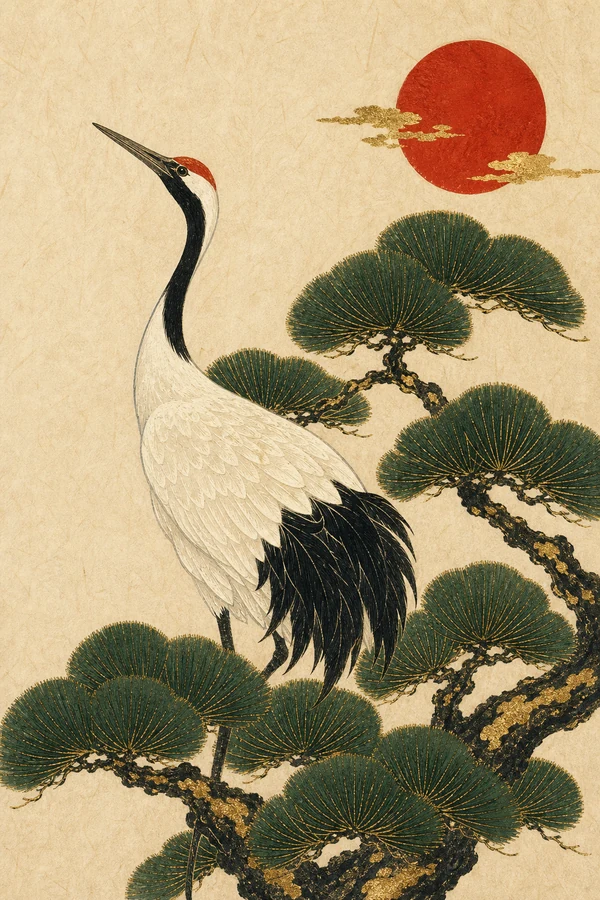
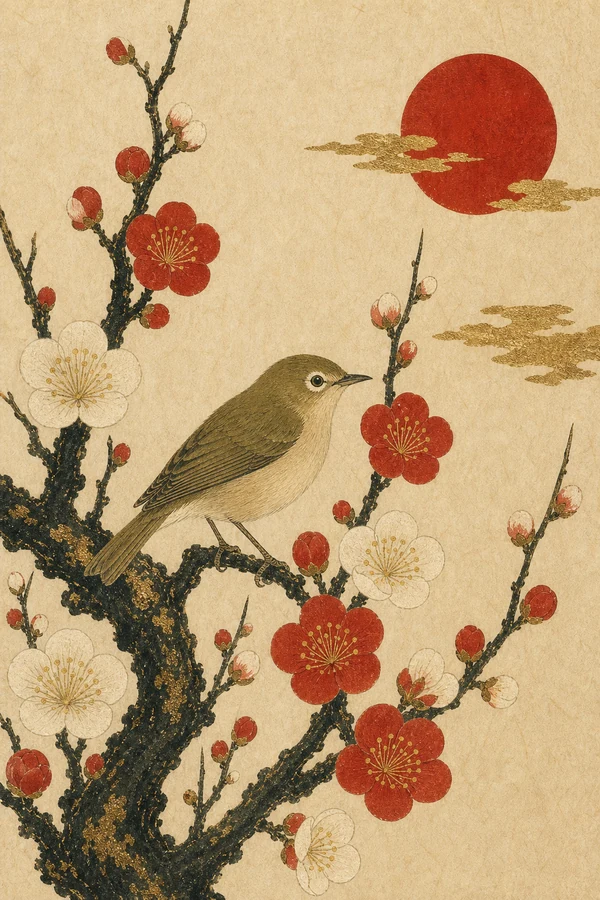
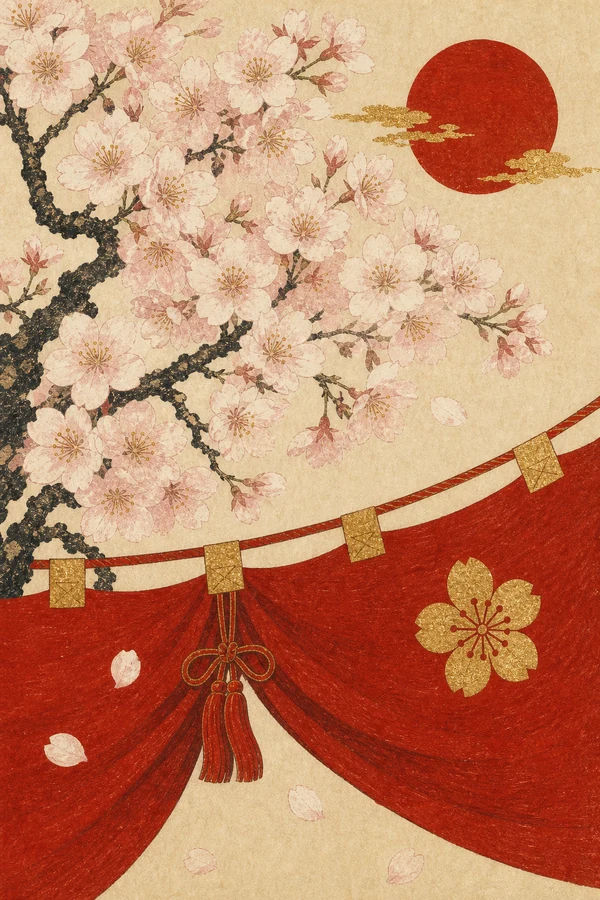
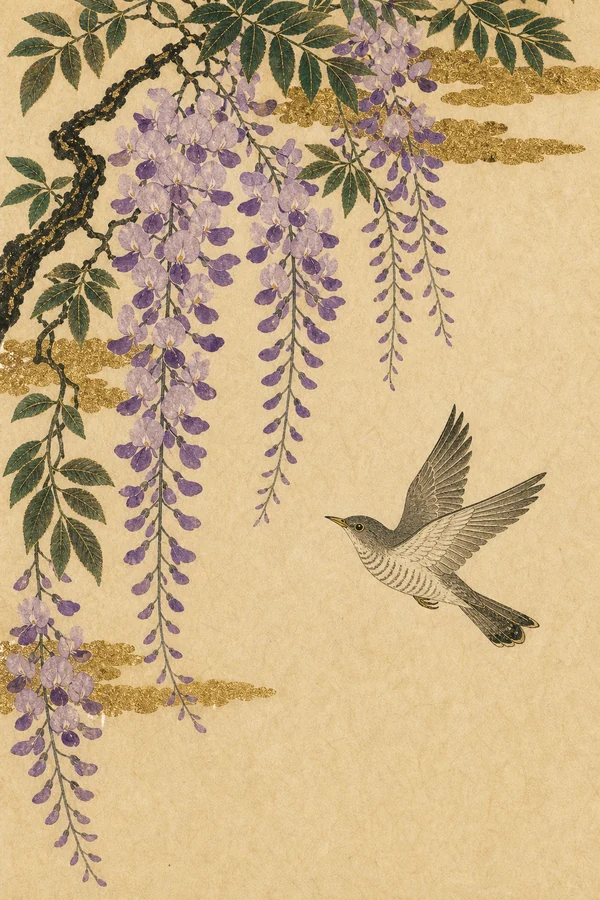
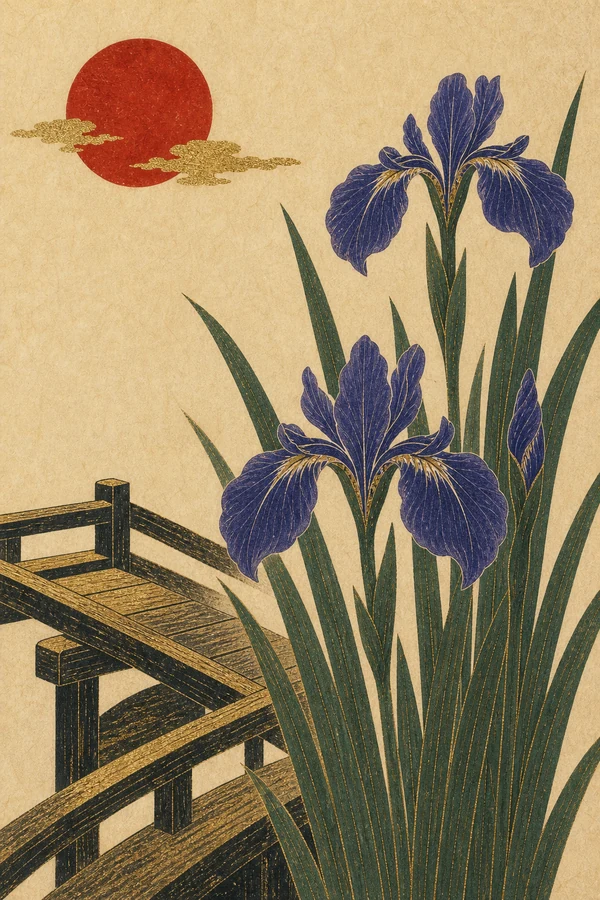
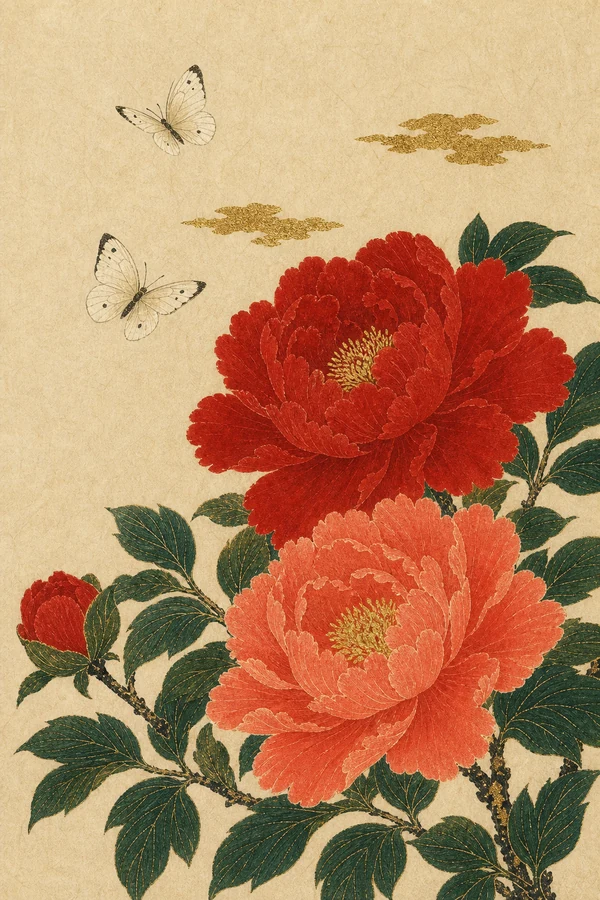
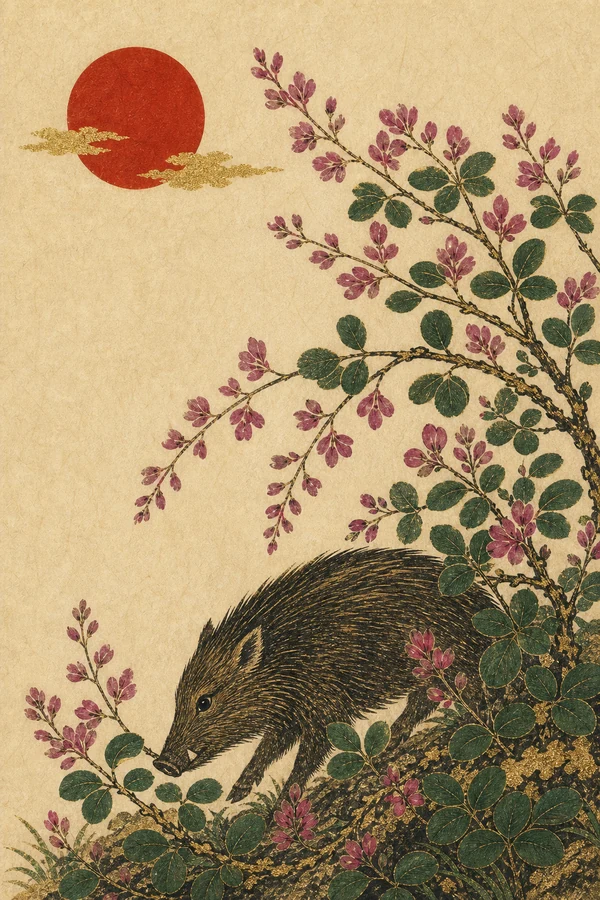
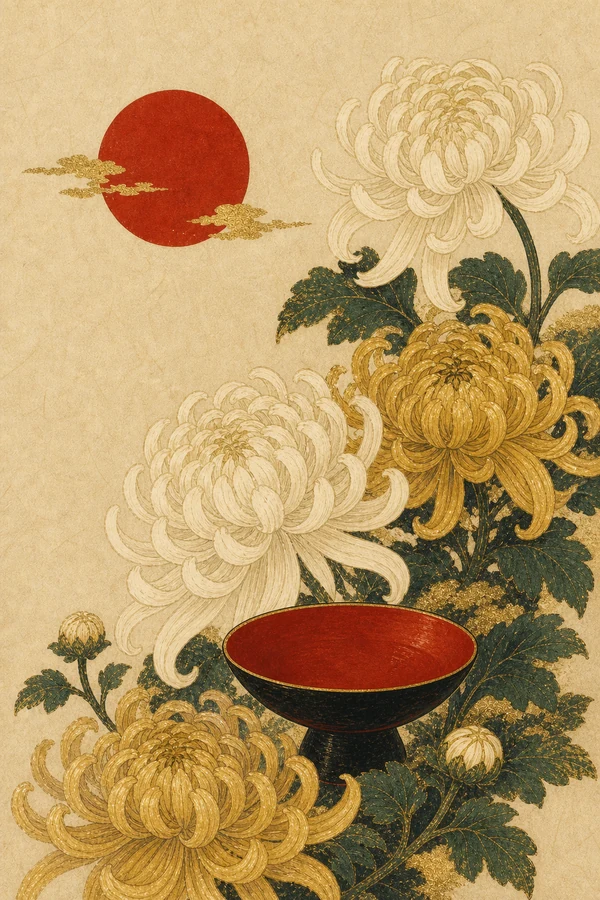
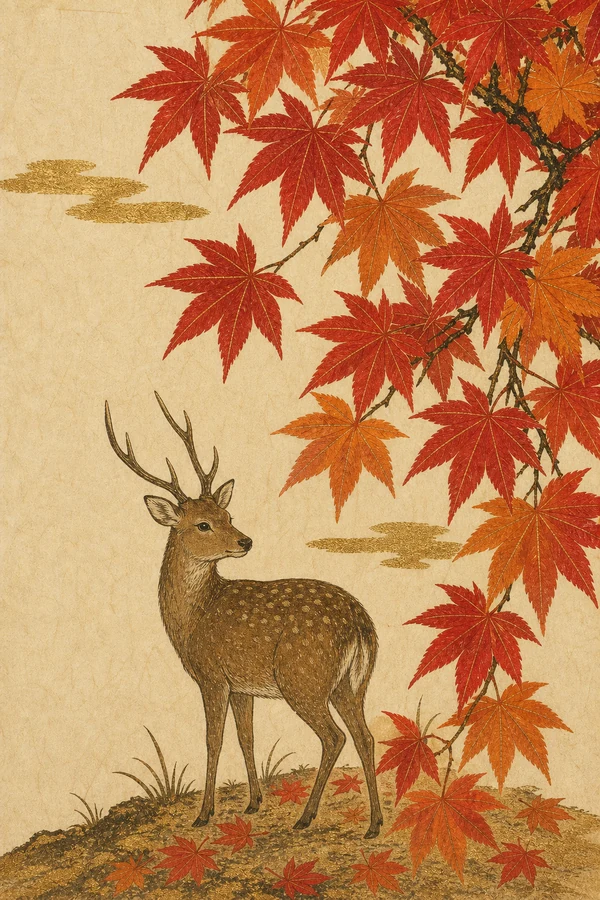
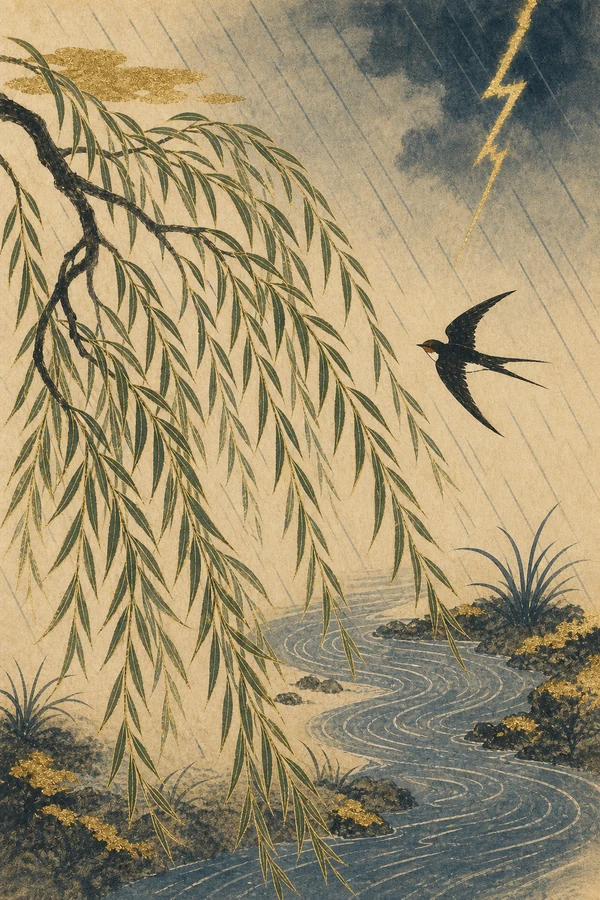
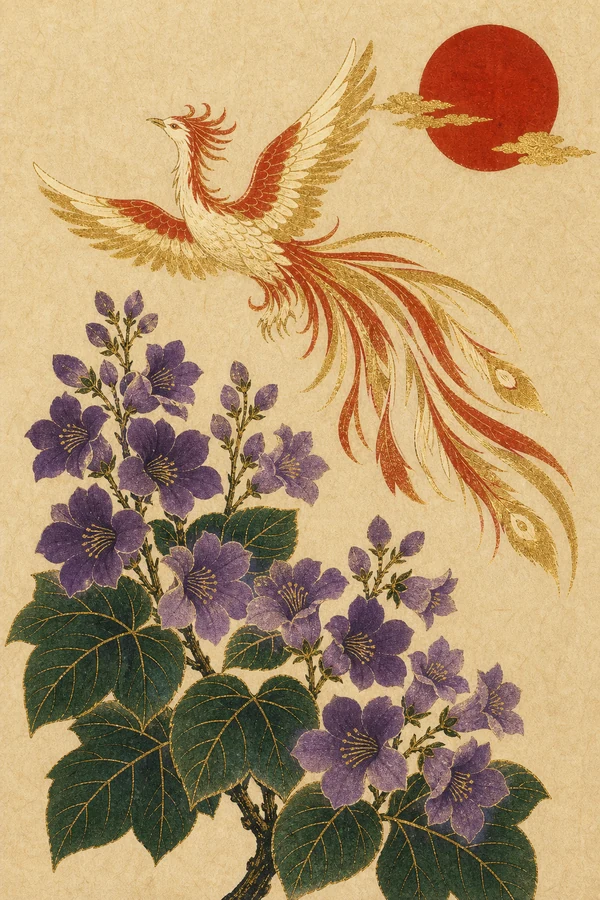
沒有哪種文化像日本文化這樣溫柔地凝望四季。四季活在食物、問候和詩歌裡——甚至活在一副紙牌裡。現在你已經會描述事物(きれいな はな,一朵漂亮的花),這裡正有一個值得描繪的世界。
每個月都有一種植物,以及讓那個季節一眼可辨的傳統夥伴。先讀假名,再讓圖像承載記憶:

下一章 → 生存必備章節:報時間、市役所 & 診所,還有載著你走過這十二個月的列車。🌸